Why Morning Routine Often Works Better With a Smaller Setup
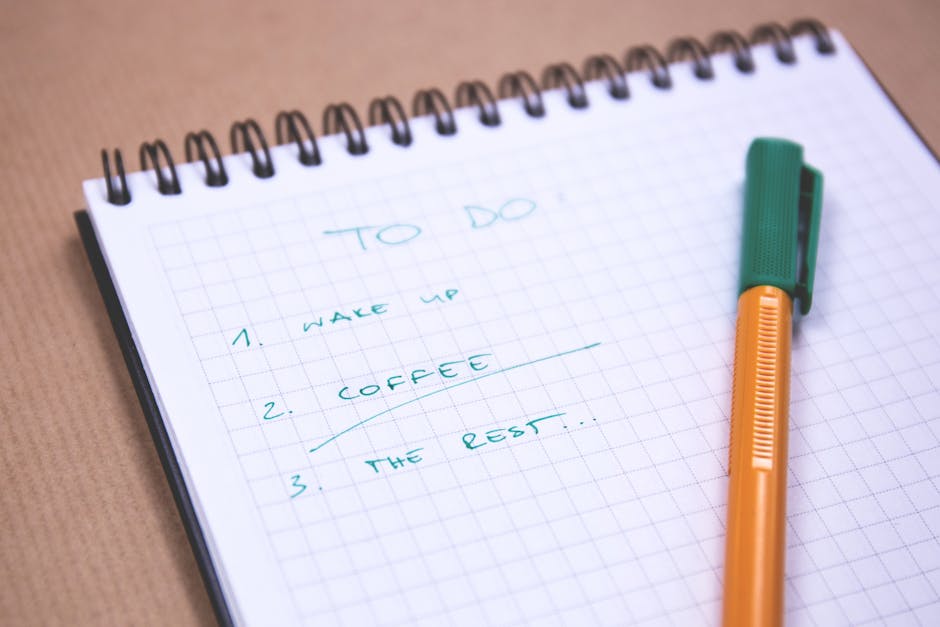
As the clock ticks past 8 AM, the remote worker stands near the door, juggling a half-eaten piece of toast and a notebook that remains stubbornly closed on the bedside table. The morning routine, intended to reset the mind for a productive day, has already begun to unravel. Keys dangle from one finger while the other swipes at the phone, a notification flashing across the screen. It’s a reminder for a meeting that feels too soon, pulling focus away from the carefully laid plans for the day. The bag, meant to be packed with intention, sits open but unorganized, an echo of the chaos that disrupts the flow of learning consistency habits.
In this moment, the remote worker realizes that the small habit of checking the weather before leaving has slipped their mind, a detail that could have informed outfit choices and set the tone for the day. Instead, the phone buzzes again, a distraction that interrupts the reset process. Without the planner opened and checked, it’s easy to overlook the critical steps that build a solid weekday routine. Each missed action compounds the friction, making it harder to maintain the consistency needed for effective learning. The day starts late, and with it, the struggle to keep learning habits intact begins anew.
The Morning Routine's First Slip
The keys jangle in hand as the remote worker stands by the door, contemplating the day ahead. The bag is open, a jumble of notebooks and chargers spilling out, yet the planner remains closed on the nearby table, a silent witness to the chaos. It’s a weekday morning, and the clock already shows 8:15 AM, a reminder of the late finish from the night before. The routine, meant to be a reset, is off to a shaky start.
Suddenly, a phone notification buzzes, pulling attention away from the task at hand. Instead of checking the weather—a small habit that could guide outfit choices and set a positive tone for the day—the worker instinctively reaches for the phone. With the planner still unopened and the bag half-packed, the disruption compounds. Each missed step adds friction, making it harder to maintain the consistency needed for effective learning. The bag, intended to be organized with purpose, now reflects the disarray of a day that has begun on the wrong foot.
What Gets Missed When Time Runs Short
The bedside table, cluttered with a half-empty coffee cup and a stack of notebooks, becomes a battleground for a morning routine gone awry. It’s 8:15 AM, and the pressure of a late start is palpable. The bag, meant to be a well-organized vessel for the day’s tasks, is open but chaotic, with chargers and loose papers spilling out. The planner sits unopened, a silent reminder of the goals that are now slipping away. A phone buzzes with notifications, breaking the fragile focus. Instead of checking the weather to inform outfit choices, the worker instinctively grabs the phone, drawn into a digital vortex.
This momentary distraction leads to immediate consequences. With the planner still closed, the day’s intentions remain unarticulated, leaving the worker to scramble through the closet without a clear plan. The outfit chosen may clash with the unpredictable weather, resulting in discomfort throughout the day. Each missed check compounds the friction, making it increasingly difficult to establish the consistency needed for effective learning. The evening routine, once a time for reflection and preparation, now feels like a distant memory, overshadowed by the chaos of a rushed morning.
Why Small Changes Matter in Sequence
Checking the weather the night before can seem trivial, but it’s a game changer for a remote worker resetting after a late finish. Instead of waking up to a flurry of notifications, the worker can glance at the weather app on their phone before bed, making outfit choices easier and more informed. This simple act prevents the scramble through the closet in the morning, where mismatched clothing can lead to discomfort and distraction throughout the day.
Completing the planner review before sleep also sets a clearer intention for the day ahead. With the planner open on the bedside table, the worker can jot down key tasks and goals, ensuring they are front of mind when morning arrives. However, if this step is overlooked, the planner remains closed, and the worker risks starting the day without direction. The hidden tradeoff here is the time saved in the morning versus the clarity gained from a few minutes spent planning the night before.
Good intentions alone aren't enough to create consistency. When the morning routine is disrupted by a phone buzz, the worker is drawn into a digital vortex, losing sight of their goals. The planner sits unopened, and the day begins in chaos, highlighting how small adjustments in sequence can significantly impact overall routine consistency.
A Better Order for the Same Five Minutes
If this pattern keeps repeating, Everyday Life In The extends the idea without leaving the niche.
When the morning routine is disrupted, every minute counts. Instead of diving straight into breakfast, a quick sequence change can set the tone for the day. Start by checking the weather on your phone while standing at the door. This simple act can inform what to wear and what to pack, saving time later. Next, open your planner, which should be on the bedside table, and review your tasks for the day. This ensures you’re mentally prepared and aligned with your goals. Finally, prepare your bag, making sure to include your keys, notebook, and any other essentials.
- Check the weather
- Review the planner
- Prepare the bag
Doing these tasks the night before can transform your morning. By moving the planner review to the evening, you eliminate the risk of it remaining closed on the table. This small adjustment creates a smoother transition into the day, preventing distractions like phone notifications from derailing your focus. When the sequence is followed, you can step out the door feeling organized and ready to tackle your learning consistency habits.
How the Sequence Shift Affects the Day Ahead
This same friction shows up again in Daily Routines Real Life, especially when the day tightens unexpectedly.
Standing by the door, the remote worker glances at the cluttered bedside table, where their planner sits unopened. This small yet significant detail often leads to a rushed morning, filled with last-minute decisions about what to wear and what to pack. The phone buzzes with notifications, a distraction that pulls focus away from the tasks that should be prioritized for the day.
By shifting the planner review to the night before, the worker can avoid the chaos that typically unfolds in the morning. Instead of scrambling to remember what’s on the agenda, they can simply check off the tasks already noted. This adjustment not only alleviates stress but also allows for a more organized start. The evening routine becomes a time to prepare mentally, ensuring that when the morning arrives, there’s a clear path laid out for the day ahead.
As the worker prepares their bag, they check the weather on their phone, confirming that it’s going to be a chilly day. This prompts them to grab a sweater from the closet, a small but important detail that prevents discomfort later. With the keys, notebook, and other essentials already in place, they can step out feeling less rushed and more in control. The simple act of planning ahead creates a smoother transition into the day, reinforcing the learning consistency habits that are often disrupted by unforeseen interruptions.
As the remote worker stands by the door, bag in hand, they realize that the phone notification has disrupted their focus. The planner remains closed on the bedside table, and this small oversight can lead to a chaotic start. Instead of checking off the tasks they had planned the night before, they feel the weight of uncertainty creeping in. This moment illustrates how easily a simple interruption can unravel the carefully laid groundwork for learning consistency habits.
To mitigate this, they decide to make a habit of checking the planner first thing in the morning, before even reaching for their phone. This shift ensures that they have a clear picture of the day ahead, reducing the chances of getting sidetracked by distractions. A quick glance at the weather app can wait until after they’ve reviewed their tasks, reinforcing a smoother transition into the day and keeping their learning consistency habits intact.