What Slips First in Learning Consistency Habits on Busy Weekdays?
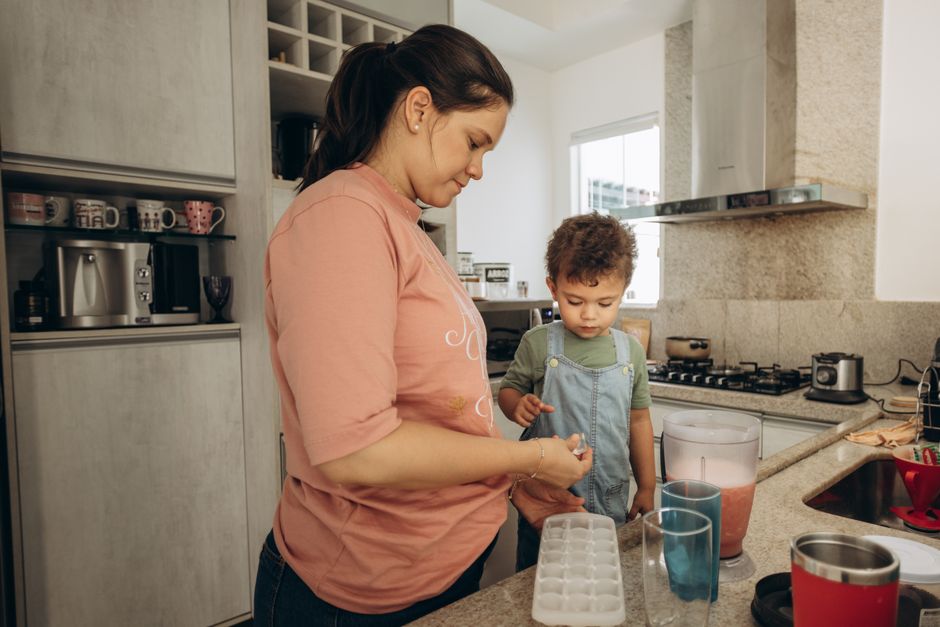
As the sun dips below the horizon on a typical Tuesday, the kitchen counter is cluttered with remnants of dinner. A half-empty plate sits next to an open planner, its pages untouched since the morning rush. The clock ticks closer to bedtime, but the evening routine feels like a distant thought. A parent, juggling the chaos of post-pickup life, glances at the planner, knowing that the next day’s learning goals are still waiting to be mapped out. The familiar struggle of preparing for the morning begins to unfold, yet the weather check is forgotten, leaving the family unprepared for the chilly morning ahead.
With the kids winding down, the parent hastily sets out breakfast items—cereal boxes and milk—on the counter, but the planner remains closed, a silent witness to the evening's missteps. The simple act of placing the planner in a more visible spot could have sparked a quick review of the next day’s tasks. Instead, as bedtime approaches, the evening routine slips into disarray, creating a ripple effect that threatens the consistency of morning habits. Without a clear plan, the once manageable morning routine morphs into a frantic scramble, setting a tone that could derail learning goals before the day even begins.
The Evening Routine That Unravels
The kitchen counter is a chaotic landscape of dinner remnants—half-eaten plates, a spilled glass of juice, and a stray toy that has rolled under the table. As the clock ticks past 7 PM, the pressure mounts. The planner sits closed on the table, its pages untouched, a stark reminder of the disorganization that has crept into the evening. The kids are buzzing with energy, their bedtime looming, yet the preparation for tomorrow’s learning feels like an afterthought.
In the midst of this, the parent hastily grabs a box of cereal and a jug of milk, placing them on the counter. This simple act is meant to ease the morning rush, but without a glance at the planner, the crucial weather check is skipped. The forecast had predicted a chilly morning, but now, without jackets laid out by the door, the family is set to face an unexpected scramble. The planner, if opened, could have prompted a quick review of the next day’s tasks, ensuring that everyone was prepared.
As bedtime approaches, the kitchen remains a mess, and the evening routine slips deeper into disarray. The familiar rhythm of setting out breakfast items and checking the planner has been disrupted, creating a ripple effect that threatens to derail the morning’s consistency. Without a clear plan, the morning routine is at risk of becoming a frantic scramble, setting a tone that could undermine the learning goals that are still waiting to be mapped out.
The Weather Check That Gets Missed
The kitchen counter is cluttered with remnants of dinner, and the clock ticks toward bedtime. Amid the chaos, the parent glances at the planner, but it remains closed, forgotten under a pile of school papers. This simple oversight means the weather check gets skipped entirely, leaving the family unprepared for the rainy morning ahead. As the evening routine slips further into disarray, the kids’ shoes are still by the door, untouched and unsuited for wet conditions.
Without a quick look at the forecast, the parent misses the chance to set out appropriate footwear, which could have included waterproof boots instead of sneakers. As the family heads to bed, the realization hits: tomorrow’s morning routine is now set to be a scramble, with soggy socks and frantic searches for umbrellas. The planner, if opened, would have prompted a brief review of the next day’s weather, allowing for a smoother transition into the morning. Instead, the evening routine devolves into a last-minute dash, creating a ripple effect that threatens to disrupt the consistency needed for effective learning the next day.
This same friction shows up again in Daily Routines Real Life, especially when the day tightens unexpectedly.
What Happens When Preparation Fails
As the evening winds down, the kitchen counter remains cluttered with remnants of dinner, and the planner sits unopened, a silent witness to the impending chaos. The parent, exhausted from a busy day, forgets to check the weather, assuming it will be clear like the previous days. This small oversight sets off a chain reaction that will unravel the morning routine.
When morning arrives, the family is met with unexpected rain. The kids scramble to find suitable clothing, but the waterproof boots are buried under a pile of shoes, and the only options left are soaked sneakers. In the rush, breakfast is neglected entirely, leaving everyone frazzled and hungry. The kitchen, meant to be a calm space for a daily reset, turns into a frantic search zone. The missed weather check not only disrupts the clothing choices but also means the family skips the most important meal of the day, setting a chaotic tone that threatens their consistency habits for learning.
With no time for breakfast, the children leave for school feeling unsettled, their minds racing from the morning scramble rather than focused on their lessons. The absence of a simple evening check now looms large, transforming what could have been a smooth start into a frazzled rush, where learning consistency is the first casualty of the day.
A Simple Repair for Tomorrow's Consistency
The kitchen counter, cluttered with remnants of a busy evening, holds the key to a smoother morning. As the clock ticks closer to bedtime, a simple action can set the stage for success: laying out breakfast items the night before. This small adjustment, placing bowls, spoons, and even cereal boxes within easy reach, transforms the chaotic morning into a streamlined routine. When the kids wake up, they can grab their breakfast without delay, allowing for a more focused start to their day.
Additionally, positioning the family planner in a prominent spot on the counter acts as a visual cue for evening review. This planner, often overlooked, should be opened and checked before winding down for the night. By doing so, you can identify any necessary adjustments for the next day, like ensuring everyone has the right gear for school. The act of checking the planner not only reinforces the importance of preparation but also minimizes the risk of forgotten tasks, such as a weather check that could lead to a frantic scramble in the morning.
Ultimately, these two adjustments—preparing breakfast items and keeping the planner visible—create a ripple effect that enhances morning consistency. The evening routine becomes a proactive step toward a smoother start, allowing the family to wake up ready to learn, rather than rushing out the door in chaos.
From One Evening to a Repeatable Pattern
If this pattern keeps repeating, Everyday Life In The extends the idea without leaving the niche.
Evening routines often slip into chaos, especially when the day has already been hectic. A common oversight is neglecting to check the family planner, which sits closed on the kitchen counter, a silent witness to the evening's disorder. This simple act can lead to forgetting critical items for the next day, like a raincoat for a sudden downpour. Without that check, mornings can devolve into frantic searches for missing gear, amplifying stress and reducing consistency.
Another frequent mistake is not preparing breakfast items the night before. Instead of setting out bowls, utensils, and ingredients for oatmeal or smoothies, they remain tucked away in cabinets. When morning arrives, parents find themselves scrambling to gather everything, leading to delays. Establishing a checklist for evening preparations can help mitigate these issues. A visible checklist placed on the counter serves as a reminder to gather lunch items, check the weather, and ensure backpacks are packed. By incorporating this small adjustment into the evening routine, the likelihood of forgetting essential tasks decreases significantly.
Creating a repeatable pattern around these preparations not only streamlines the evening but also sets the stage for a smoother morning. Each evening, as the family winds down, they can refer to the checklist, ensuring nothing is overlooked. This proactive approach transforms the chaotic end of the day into a structured preparation phase, ultimately enhancing the consistency of morning routines.
As the evening winds down and the kitchen counter remains cluttered, it’s easy to overlook small tasks that can derail the morning routine. If the weather check is skipped, parents might find themselves scrambling for jackets or umbrellas at the last minute. A simple action like placing the weather app on the kitchen tablet or phone can serve as a quick reminder to check conditions before bedtime. This small adjustment can prevent a rushed morning where everyone is caught off guard.
Preparing breakfast items the night before can also make a significant difference. Setting out the cereal box and bowls on the counter ensures they are visible and ready to grab in the morning. This proactive step not only streamlines the morning but also reinforces the consistency of learning habits by reducing chaos. By focusing on these small but impactful checks, parents can better maintain their learning consistency habits, ensuring that the evening routine supports a smooth start to the day.


